Full electrical diagnostic
We test the capacitor, contactor, blower motor, and thermostat wiring with a multimeter and clamp meter. Amp draw is compared to the nameplate rating, which tells us whether the compressor is healthy or on its way out.
When your AC quits on a 95-degree afternoon, you need air conditioning repair Milwaukie OR homeowners actually trust. ThermexaPro sends licensed techs to diagnose no-cooling, refrigerant leaks, and thermostat faults across Clackamas County. We stock common parts on every truck, so most repairs finish in one visit. Call (855) 947-9500 and we'll get your system cooling again.
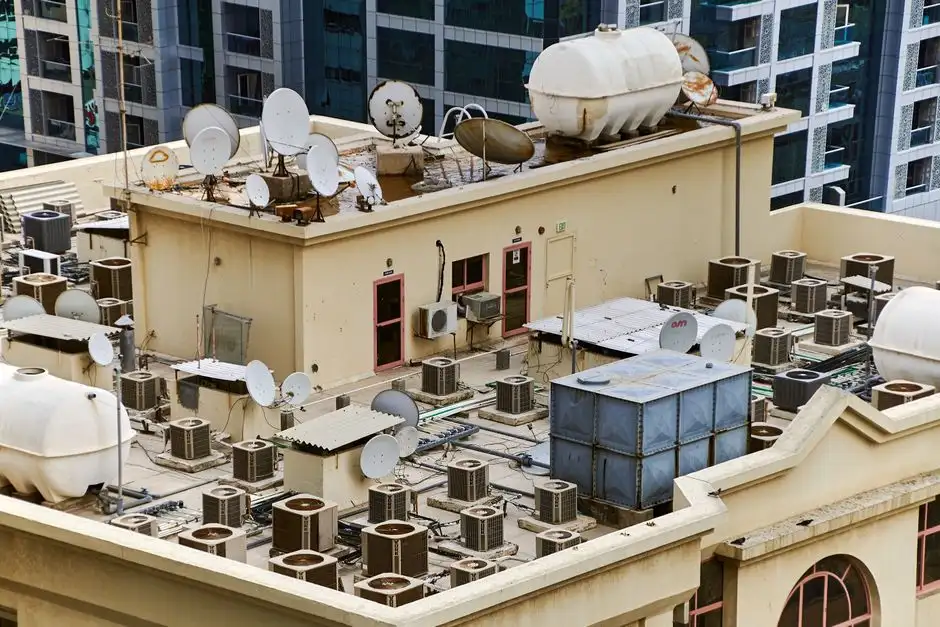
Air conditioning repair Milwaukie OR is the diagnostic and mechanical work that restores a failing cooling system to full capacity. A proper repair starts with manifold gauges on the service ports to read suction and head pressure, then a clamp meter on the compressor leads to check amp draw against nameplate. From there we test the capacitor, contactor, and blower motor, inspect the evaporator coil for frost, and verify the condensate line drains freely. If refrigerant is low, we pressure-test with a leak detector before adding a single ounce of R-410A or R-22.
Milwaukie summers now push past 95 degrees for days at a time, and most homes here run Carrier, Trane, Lennox, Goodman, or Rheem equipment that's 10 to 20 years old. That combination of heat and age is exactly when capacitors bulge, contactors pit, and refrigerant leaks show up. If you're searching for air conditioning repair near me Milwaukie OR because the house won't drop below 78, we can usually be there the same day. We also handle 24/7 AC repair in Milwaukie when a system dies after hours.
Every AC repair visit covers a full diagnostic, the repair itself, and a post-repair performance check. Parts are billed separately from labor, and we tell you the price before we start. If we find a second issue while we're in there, we quote it and let you decide.
We test the capacitor, contactor, blower motor, and thermostat wiring with a multimeter and clamp meter. Amp draw is compared to the nameplate rating, which tells us whether the compressor is healthy or on its way out.
Manifold gauges go on the service ports to read suction and head pressure. If the charge is low, we use a leak detector to find the source before adding R-410A or R-22. We never top off a leaking system without finding the leak.
A clogged PVC condensate line causes water damage and shuts down the system on a float switch. We flush the line, check the pan, and clear any algae or debris. It's a small step that prevents a big mess.
We inspect the evaporator coil for frost and the condenser coil for dirt and cottonwood. A dirty coil cuts capacity by 10 to 20 percent. We clean what we can on-site and note anything that needs a deeper coil cleaning.
After the repair, we run the system for 15 minutes and measure the temperature split between return and supply air. A healthy reading is 16 to 22 degrees. You see the numbers before we pack up.
You call (855) 947-9500 and describe what the system is doing. Our dispatcher asks three questions: is the outdoor unit running, is the indoor fan blowing, and what does the thermostat read. That tells us whether to send a tech with a capacitor kit, a refrigerant charge, or a full diagnostic loadout. Most calls get a two-hour arrival window.
The tech pulls the service panel, connects manifold gauges, and checks amp draw with a clamp meter. We test the capacitor with a multimeter, inspect the contactor for pitting, and look at the evaporator coil for frost. Diagnosis takes 30 to 45 minutes, and you get the findings in plain language before any repair starts.
We hand you a flat price for the repair, itemized by part and labor. If it's a capacitor and contactor, expect $220 to $380. If it's a refrigerant leak, we quote the leak search, the repair, and the recharge separately so you can decide. No work begins until you approve the number.
We replace failed components, braze copper tubing where needed, and evacuate the system with a vacuum pump before charging. Refrigerant is weighed in by the ounce, not guessed. A typical capacitor or blower motor job takes 60 to 90 minutes; a leak repair and recharge runs two to three hours.
We run the system for 15 minutes and measure supply-air temperature at the register. A healthy split is 16 to 22 degrees below return air. We show you the readings, note the filter size for your next change, and leave the work area cleaner than we found it. Payment is due on completion, card or check.
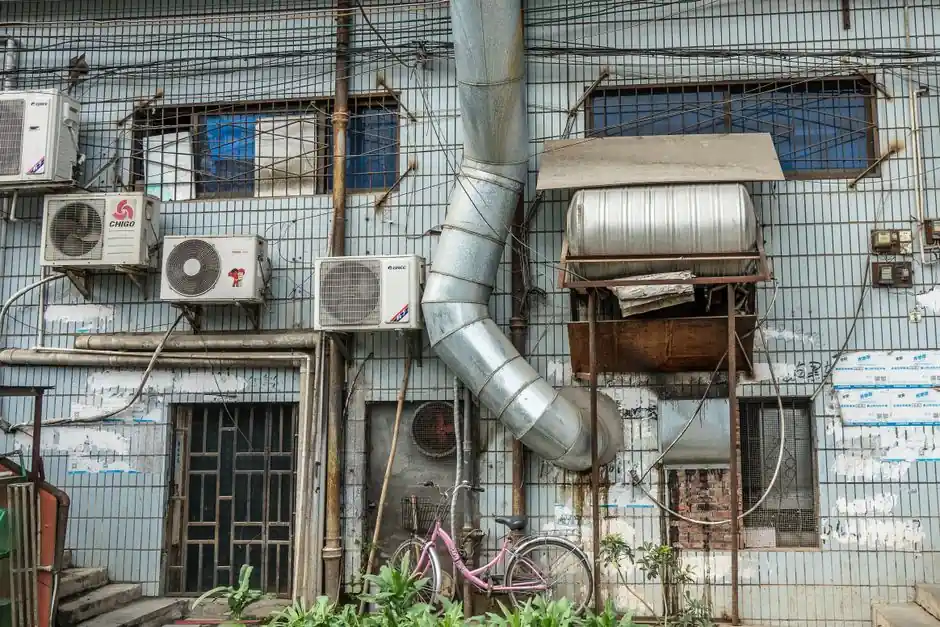
You call (855) 947-9500 and describe what the system is doing. Our dispatcher asks three questions: is the outdoor unit running, is the indoor fan blowing, and what does the thermostat read. That tells us whether to send a tech with a capacitor kit, a refrigerant charge, or a full diagnostic loadout. Most calls get a two-hour arrival window.
Read suction and head pressure at the service ports to diagnose refrigerant charge and compressor performance.
Measure amp draw on the compressor, condenser fan, and blower motor, then compare to nameplate ratings.
Pinpoint refrigerant leaks at Schrader valves, brazed joints, and coil tubing before we add any R-410A or R-22.
Evacuate the system to 500 microns after a repair and recover refrigerant safely per EPA Section 608 rules.
Test capacitors, contactors, thermostat wiring, and control board voltage to isolate electrical faults.
Straighten bent condenser coil fins so airflow and heat rejection return to design capacity.
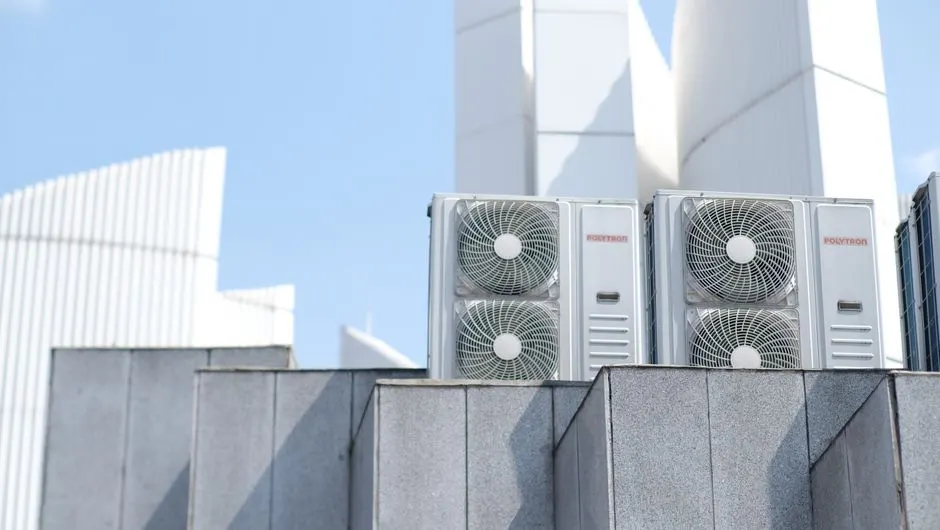
A homeowner in Oak Grove called at 11 a.m. on a 98-degree Saturday. The outdoor unit was humming but the fan wasn't spinning, and the house had climbed to 84 degrees. The capacitor tested 40 percent below rated microfarads.
After: We replaced the capacitor and contactor, cleaned the condenser coil, and verified a 19-degree temperature split. Cold air was back by 1:30 p.m. Total repair cost: $310, well under the $850 the homeowner feared.
Book this service →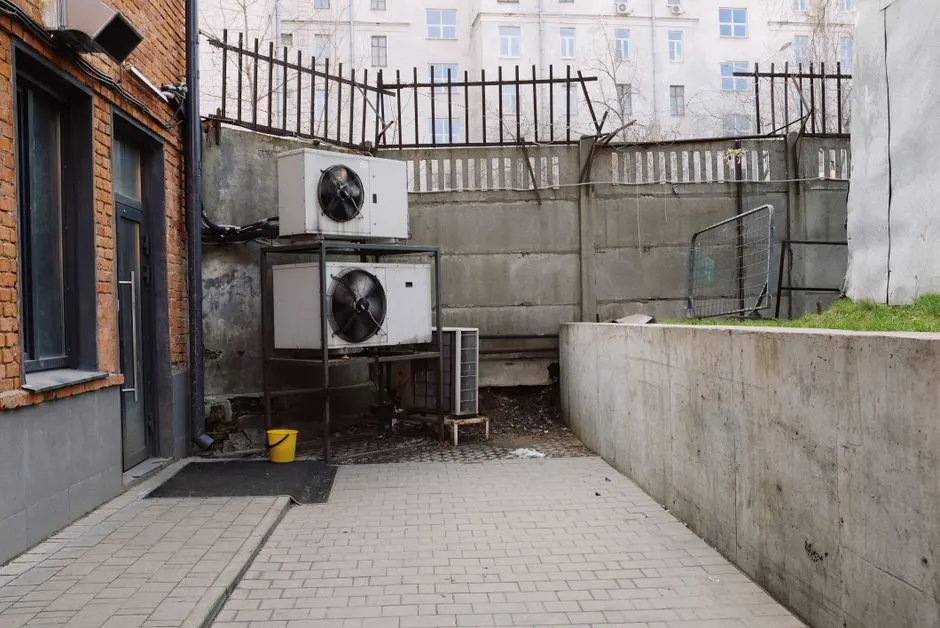
A Lake Road homeowner was told by another company that the system needed full replacement. The AC was blowing warm air and the compressor was short-cycling. We found a leaking Schrader valve and a low charge.
After: We replaced the valve, pressure-tested the system, evacuated to 500 microns, and weighed in the correct R-410A charge. The system hit a 20-degree split and ran normally. Repair cost: $520 versus $6,800 for replacement.
Book this service →
A Downtown Milwaukie homeowner noticed water around the indoor unit and no cooling. The evaporator coil was frozen solid and the condensate line was clogged with algae. The float switch had tripped and shut the system down.
After: We thawed the coil, flushed the PVC condensate line, replaced the float switch, and checked the refrigerant charge. The system ran a clean 18-degree split with no water backup. Repair cost: $265.
Book this service →Most no-cooling calls trace back to one of a handful of failures. Here's what we see most often in Milwaukie homes and how we handle each one.
Ask a pro →Nine times out of ten it's a failed capacitor or a dirty condenser coil. We test the capacitor with a multimeter, replace it if it's out of tolerance, clean the coil, and verify the temperature split. Most of these repairs finish in under 90 minutes.
A frozen coil usually means low refrigerant or restricted airflow. We shut the system down, thaw the coil, then check the filter, blower motor, and refrigerant charge. Once we find the cause, we repair it and confirm the coil stays clear.
We flush the PVC condensate line, clear algae buildup, and check the pan for cracks. If the line is undersized or poorly pitched, we'll re-route it. This is one of the cheapest AC repairs you can make.
We test thermostat wiring and low-voltage signals at the control board. If the thermostat is bad, we replace it with a compatible model, including Nest or Ecobee if you want smart control. We verify the new unit cycles correctly before we leave.
Typical 2026 AC repair in Milwaukie runs $180 to $850 depending on the failure. A capacitor and contactor replacement lands around $220 to $380. A refrigerant leak search, repair, and recharge runs $450 to $850. Compressor or blower motor replacement pushes higher, usually $700 to $1,400. We give you a flat written price before any work starts, so there are no surprises on the invoice.
ThermexaPro repairs air conditioners across Milwaukie and Clackamas County, including Downtown Milwaukie, Ardenwald, Linwood, and Oak Grove. Our techs are NATE-certified and EPA Section 608 compliant, and we work on all major brands. Call (855) 947-9500 and we'll schedule a same-day or next-day diagnostic, depending on the season and parts availability.
Yes. We run 24/7 AC repair in Milwaukie, including weekends and holidays. After-hours calls go to a live dispatcher who can send a tech with a full diagnostic kit and common parts. If your system fails during a heat wave, call us before 6 p.m. and we'll do everything we can to get you cooling the same night.
Most repairs take 60 to 90 minutes once the tech arrives. Capacitor, contactor, and thermostat jobs are on the shorter end. Refrigerant leak repairs and recharges run two to three hours because we pressure-test, braze, evacuate, and weigh in the charge. Diagnosis adds 30 to 45 minutes. We'll give you a time estimate when we quote the repair.
Licensed techs, same-day service, and a one-year workmanship warranty on every repair. Call (855) 947-9500 and we'll get your AC cooling again, usually the same day you call.
Book AC Repair (855) 947-9500 →Call (855) 947-9500 any time, day or night, and a live dispatcher will get a tech headed your way. Regular office hours run 8 a.m. to 6 p.m. Monday through Friday, with 24/7 emergency coverage for no-heat and no-cool calls. You can also email info@thermexapro.com and we will reply the same business day.